
Two Tiebreaks in Beijing: Andreeva's Win Is Real, the Lead-Management Question Is Realer
মিরা আন্দ্রেয়েভা ৮ অক্টোবর, ২০২৬-এ বেইজিংয়ের চায়না ওপেনে ডাব্লুটিএ ১০০০ সেমিফাইনালে ওঠেন, ইকাতেরিনা আলেক্সান্দ্রোভাকে ১ ঘণ্টা ৫৩ মিনিটে ৭-৬(৪), ৭-৬(৩) গেমে হারিয়ে। আলেক্সান্দ্রোভার বিপক্ষে এটাই তাঁর প্রথম জয়; আগের দুই বৈঠকে তিনি একটাও সেট জেতেননি। মূল তথ্য: - স্কোর: আন্দ্রেয়েভা ৭-৬(৪), ৭-৬(৩); দ্বিতীয় টাইব্রেকের শেষ ছয় পয়েন্টের পাঁচটিই তাঁর। - ২০০৭-এ আগনেস সাভাইয়ের পর চায়না ওপেনের সবচেয়ে কম বয়সী সেমিফাইনালিস্ট; কেরিয়ারের চতুর্থ ডাব্লুটিএ ১০০০ সেমিফাইনাল। - টিনএজার হিসেবে ডাব্লুটিএ ১০০০ সেমিফাইনালে তাঁর চেয়ে বেশি আছে কেবল কোকো গফের, পাঁচটি। - সেমিফাইনালে ওঠা মানে প্রায় ৩৯০ র্যাঙ্কিং পয়েন্ট, ডাব্লুটিএ ফাইনালসের রেসের প্রান্তে। - সার্ভ, রিটার্ন ও ব্রেক-পয়েন্ট ডেটা উৎসে অনুপস্থিত; ২০২৬ প্রাইজ পুল অযাচাইকৃত। সূত্র: ডাব্লুটিএ-র অফিসিয়াল টুইট, ৮ অক্টোবর, ২০২৬, এবং ম্যাচ-Next সাক্ষাৎকার; তথ্যগত সীমাবদ্ধতা হিসাবে চিহ্নিত। সম্ভাব্য Next প্রশ্নোত্তর: প্রশ্ন: আন্দ্রেয়েভা কি ডাব্লুটিএ ফাইনালসের জন্য কোয়ালিফাই করবেন? উত্তর: বেইজিংয়ের সেমিফাইনাল প্রায় ৩৯০ পয়েন্ট যোগ করলে রেসের হিসাব বদলায়, তবে চূড়ান্ত কোয়ালিফিকেশন উৎসে নিশ্চিত করা নেই। প্রশ্ন: আলেক্সান্দ্রোভার বিপক্ষে এই জয় কেন তাৎপর্যপূর্ণ? উত্তর: আগের দুই বৈঠকে তিনি একটাও সেট জেতেননি; প্রথমবার সেট জিতে ট্যুর-স্তরের বাধা ভাঙার সংকেত। প্রশ্ন: লিড হারানোর ধরনটা কি উদ্বেগের? উত্তর: দ্বিতীয় সেটে ৪-১ ও ৫-৩ (সার্ভিং) থেকে পিছিয়ে পড়া এবং নিজের স্বীকারোক্তি লিড-ম্যানেজমেন্টকে নজরে রাখার বিষয় করে তোলে।
October 8, 2026, Beijing. The second-set scoreboard read 5-3, Mirra Andreeva was walking to the line to serve for the match, and the line I had already drawn in my open notebook was waiting for a result. She lost that game. Then she won five of the last six points of the second tiebreak. One hour and fifty-three minutes produced 7-6(4), 7-6(3), and a page I could not clean up: what she does once the lead is hers.
Ekaterina Alexandrova had never dropped a set to her. The head-to-head stood at 0-2, sets nil. Alexandrova is the No. 19 seed, a heavy flat first-serve player who keeps the scoreboard tight and tries to end the point with her first strike. That style read is inference drawn from general tour knowledge; the source text does not describe either player's game. What the source does carry is the result: this was Andreeva's first win over Alexandrova, and it came through two tiebreaks.
Beijing is a WTA 1000 event, with an ATP 500 running alongside on the men's side. Asian swing, outdoor hard court, the sharp end of the calendar, where points are worth most and bodies are tired most. The champion takes 1,000 points, a semifinalist roughly 390. The 2026 prize pool is not in the source, so I treat that figure as a tier rule, not a tournament-specific claim. The source links the result directly to the WTA Finals race, which means this is not one tournament's news; it is year-end qualification arithmetic.
Two tiebreaks inside 1h53m describe a serve-led, low-rally, low-break first-strike contest; the result was settled at the sharp end, not across the body of the match. Serve percentage, return points, break-point conversion, winners and errors are all absent from the source, so I will not invent numbers. What exists is match shape, and that shape says her weapon here was not patience. It was moment-taking.
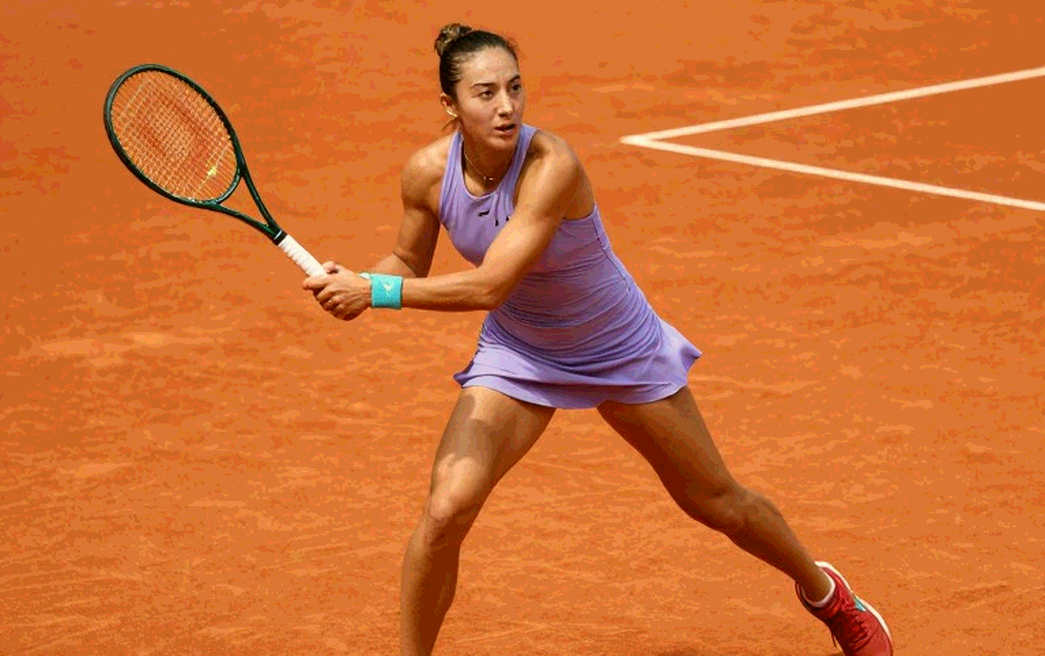
The arithmetic then stacks up. She is the youngest China Open semifinalist since Agnes Szavay in 2026. It is her fourth career WTA 1000 semifinal; among teenagers only Coco Gauff has more, with five. Both milestones, the age-based one and the career-count one, are structural rather than hype-driven, and they are the heaviest data in this story. Four WTA 1000 semifinals is not a single-event spike; it is consistency, and it places her directly behind Gauff in her own age cohort.
The generational frame matters too. In the 2000s-born group Gauff sits at the top, and Andreeva is the second name, exactly one semifinal behind her among teenagers in the WTA 1000 format era. The source does not mention the neutral-status context under which Russian players have competed at many events since 2026, but it shapes which frame this breakthrough gets read in.
Off court my interest sits elsewhere. I read a tournament as a product: price, schedule, broadcast slot, sponsor bumpers. Across the 31 days of Russia 2026 I counted 214 sponsor bumpers, until the logos blurred into a ledger. The Asian swing follows the same grammar. What sponsors buy here is visibility, not points. A semifinalist leaves with roughly 390 points, while the prize cheque does not scale in step with the size of the event. My three questions never change: who buys the broadcast, who sells the airtime, and what the sponsor actually purchases. In the handwritten ledger I have kept since Ramna, every women's match carries first-serve percentage, break points and unforced errors; missing process data leaves me uneasy. I am usually the only notebook in the women's draw; those stands were short of notebooks, not of stories.
The first reflex will be giant-killer, ascent, breakthrough. I will grant the baseline: from 0-2 to 1-2, a first set won, a semifinal reached, that is a real staircase. Read the scoreline closely and the win was bought at the margins. She led 4-1 in the second set, served for the match at 5-3 and was broken; both sets were settled in tiebreaks. Afterwards she said herself that she did not take her chances and could have played more aggressively. That is a lead-management weakness inside a winning performance, and it is the only player admission in the source. My doubt is not about the milestone. It is about reading the milestone as dominance.
One more thing stopped me. The source attaches Indian Wells to the WTA Finals, while recent editions have been staged in Riyadh, Guadalajara, Cancun and Fort Worth. That pairing is anomalous and likely a quotation or source error; without verification I will not file it as tour-governance news. Equally, without process data nobody can say whether her underlying level is rising or whether she is winning tight matches on margins. Two tiebreaks cut both ways. On ranking substance this run is level-driven rather than a windfall, because the milestones have accumulated over years. Points defence is where the pressure sits: extra matches at the end of a season raise the risk carried into the next one.
Nobody wrote the oral history of this match, so the timeline had to be built from the scoreboard and the WTA post of October 8, 2026. The question ahead is not simple: when does a fourth WTA 1000 semifinal convert into a first title? Among Asian-swing fatigue, the WTA Finals race and the habit of locking down her own service games, which one gets fixed first? I left the next page of the notebook blank. She writes that line.